

Exploring the Map of Regeneration in New Zealand Through Five Dimensions of Integrated Design

Regenerative agriculture is gaining momentum in New Zealand as farmers and landowners seek ways to restore soil health, improve biodiversity, and build resilient rural communities. But how do you design a farm or rural property that truly regenerates the land and supports long-term wellbeing? The Map of Regeneration offers a practical framework by breaking down integrated design into five key dimensions: social, economic, ecological, worldview, and design itself. Applying this map to New Zealand’s unique context helps landowners create farm plans that work with nature and community, not against them.

Understanding the Five Dimensions of Integrated Design
The Map of Regeneration encourages us to think beyond just the physical layout of a farm. It asks us to consider how social connections, economic viability, ecological health, and worldview shape the success of regenerative agriculture. Here’s how each dimension plays out on a New Zealand farm:
1. Social Dimension: Building Strong Rural Communities
Regenerative agriculture thrives when farmers and rural professionals work together. The social dimension focuses on relationships, knowledge sharing, and community wellbeing. In New Zealand, this means:
Collaborative farm planning with neighbours and local iwi (Māori tribes) to respect cultural values and share resources.
Creating networks for exchanging ideas about soil health, pest management, and native planting.
Supporting local markets and food systems that keep money circulating within rural communities.
For example, some New Zealand farms have formed cooperatives to sell organic produce directly to consumers, strengthening social ties and economic resilience.
2. Economic Dimension: Designing for Long-Term Viability
A farm plan must be economically sustainable to last. The economic dimension looks at how regenerative practices can reduce input costs and open new revenue streams. In New Zealand, farmers are exploring:
Diversifying farm income through agroforestry, honey production, or eco-tourism.
Reducing reliance on synthetic fertilizers and pesticides, which lowers expenses.
Accessing government grants and incentives for sustainable land use.
One dairy farm in Waikato integrated native tree planting with pasture management, which improved water quality and attracted eco-tourists, adding a new income source.
Integrating Ecological Health into Farm Plans
The ecological dimension is at the heart of regenerative agriculture. It focuses on restoring soil, water, and biodiversity. New Zealand’s varied landscapes—from volcanic soils to coastal plains—require tailored approaches:
Soil regeneration through cover cropping, composting, and rotational grazing.
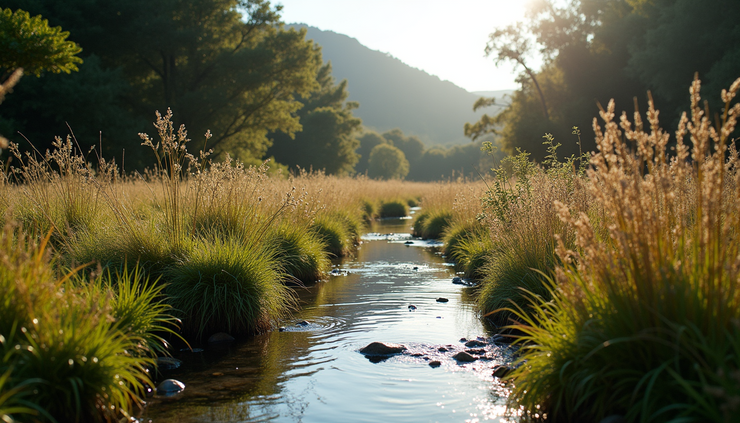
Protecting waterways by planting riparian buffers with native species.
Encouraging biodiversity by creating habitats for birds, insects, and beneficial microbes.
An integrated farm plan in Canterbury used multispecies cover crops and native shelterbelts to improve soil structure and reduce erosion, demonstrating how ecological design supports farm productivity.
Worldview Dimension: Aligning Values and Practices
The worldview dimension explores the beliefs and values that shape how landowners relate to their environment. In New Zealand, this often involves integrating Māori perspectives, which emphasize kaitiakitanga (guardianship) and whakapapa (connection to land).
Recognizing the spiritual and cultural significance of the land.
Adopting a mindset of stewardship rather than ownership.
Making decisions that benefit future generations.
Farmers who embrace this worldview often find deeper motivation to maintain regenerative practices and engage with their communities.
Design Dimension: Creating a Practical Integrated Farm Plan
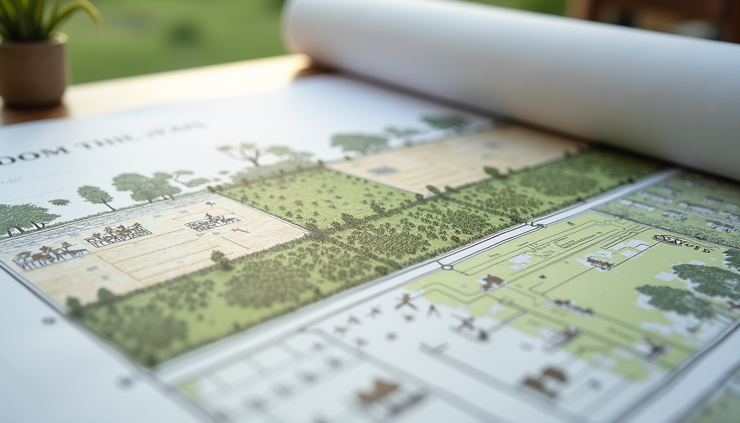
Finally, the design dimension brings all the pieces together into a coherent farm plan. This involves mapping out land use, water flow, planting zones, and infrastructure to support regeneration goals.
Key steps include:
Conducting a site analysis to understand soil types, slopes, and microclimates.
Planning rotational grazing and crop rotations to build soil fertility.
Designing water catchments and storage to optimize use and reduce runoff.
Incorporating native plantings and wildlife corridors.
Using an integrated farm plan helps landowners visualize how social, economic, ecological, and worldview factors interact on their property.
Putting the Map of Regeneration into Practice in New Zealand
Applying the Map of Regeneration to New Zealand farms means tailoring each dimension to local conditions and community needs. Here are practical tips for landowners:
Engage with local iwi and community groups early in your farm planning process.
Use government resources like the Sustainable Farming Fund for financial support.
Start small with pilot projects such as planting native shelterbelts or trialling cover crops.
Monitor ecological indicators like soil organic matter and water quality regularly.
Share your experiences with other farmers to build a supportive network.
By thinking holistically, you can create a farm plan that not only improves productivity but also restores the land and strengthens your community.


Comments