

Regrarians Regenerative Platform Adapted for Integrated Farm Planning in New Zealand

The challenges facing New Zealand farmers today are complex. Soil health, water management, biodiversity, and economic viability all demand attention. The Regrarians platform offers a practical framework for regenerative agriculture that fits well with New Zealand’s unique landscapes and farming systems. I want to share how this platform can be adapted to create an effective integrated farm plan, helping farmers build resilience and productivity while caring for the land.

Understanding the Regrarians Platform
The Regrarians platform is a structured approach to regenerative agriculture that guides farmers through a series of steps to design and manage their land holistically. It focuses on integrating natural systems with farming practices to improve soil, water, and biodiversity while maintaining profitability.
The core of the platform is the integrated farm plan. This plan combines multiple land uses and management strategies into one cohesive system. It helps farmers see their property as a whole rather than isolated parts, making it easier to identify opportunities and challenges.
How to Adapt the Regrarians Platform for New Zealand Farms
New Zealand’s climate, soils, and farming culture differ from other parts of the world where Regrarians originated. Adapting the platform means tailoring it to local conditions and priorities.
Step 1: Map Your Property and Resources
Start by creating a detailed map of your farm. Include:
Soil types and condition
Water sources like streams, ponds, and rainfall patterns
Existing vegetation and native species
Current land uses such as grazing, cropping, or forestry
Mapping helps you understand the natural assets and constraints. For example, many New Zealand farms have steep slopes prone to erosion. Identifying these areas early allows you to plan erosion control measures.
Step 2: Set Clear Goals Based on Local Needs
Your integrated farm plan should reflect your goals, whether that’s improving pasture quality, increasing biodiversity, or reducing input costs. In New Zealand, common goals include:
Protecting waterways from runoff and sediment
Enhancing soil carbon to improve fertility and drought resilience
Integrating native plants to support local wildlife
Setting specific, measurable goals helps focus your efforts and track progress.
Step 3: Design Land Use Zones
The Regrarians platform encourages dividing your farm into zones based on how intensively you use them. For New Zealand farms, this might look like:
Zone 1: Areas near the homestead for intensive vegetable gardens or poultry
Zone 2: Pasture for rotational grazing of sheep or cattle
Zone 3: Native forest or riparian buffers to protect waterways and provide habitat
Zone 4: Less accessible land for timber or conservation
This zoning helps balance production with environmental care.

Step 4: Implement Regenerative Practices
With your zones defined, apply regenerative agriculture techniques suited to each area:
Use rotational grazing to improve pasture health and reduce soil compaction
Plant cover crops and green manures to protect soil and add nutrients
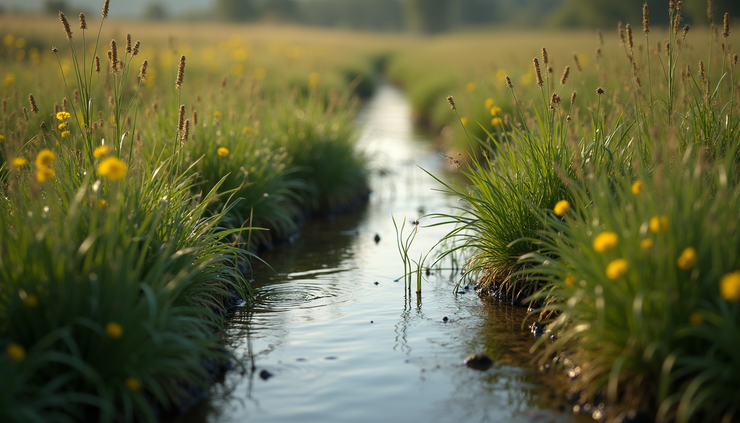
Establish riparian buffers with native plants to filter runoff and stabilize banks
Incorporate agroforestry by planting trees among pasture to provide shade and diversify income
These practices build soil organic matter, improve water retention, and support biodiversity.
Step 5: Monitor and Adjust Your Plan
An integrated farm plan is a living document. Regularly monitor soil health, water quality, and pasture condition. Use simple tools like soil tests, pasture walks, and water clarity checks.
Adjust your plan based on what you learn. For example, if erosion increases in a certain paddock, you might add contour banks or plant more ground cover.
Examples of Success in New Zealand
Several New Zealand farmers have successfully adapted the Regrarians platform. One sheep and beef farmer in the Waikato region used the platform to redesign his farm layout. He added native riparian strips along streams, introduced rotational grazing, and planted agroforestry species. Over five years, he saw improved pasture growth, reduced soil erosion, and better water quality downstream.
Another example is a mixed cropping and livestock farm in Canterbury. The farmer integrated cover crops and green manures into his rotation, which increased soil organic matter by 15% in three years. This improved drought resilience and reduced fertilizer costs.
Why Use an Integrated Farm Plan with the Regrarians Platform?
Using an integrated farm plan helps you:
See connections between different parts of your farm
Manage resources more efficiently
Reduce risks from climate variability
Improve long-term productivity and sustainability
The Regrarians platform provides a clear, step-by-step process to build this plan, making regenerative agriculture practical and achievable.


Comments